


Ivory, Tortoiseshell and Rosewood: What UK Buyers Need to Know
|
Wednesday 28th October 2026 at 10:17 By Matteo |
 |
You are looking at a Georgian tea caddy with a small ivory escutcheon around the keyhole. Or a Victorian cane with a tortoiseshell handle. Or a rosewood card table. Everything about the object says honest old antique, and then a thought arrives. Am I allowed to buy this?
The short answer is usually yes. The longer answer is that three materials which appear constantly in ordinary antiques are now regulated in Britain, and the rules for each work differently. None of it is complicated once you have seen it laid out, and knowing it makes you a much more confident buyer.
What follows is a plain summary rather than legal advice. Rules change, so check the current guidance on gov.uk before you act on anything here.
Ivory: the strictest of the three
The Ivory Act 2018 came into force on 6 June 2022, and it bans dealing in items made of or containing ivory unless the item falls into an exemption and has been registered. Dealing means buying, selling or hiring, and it includes offering an item for sale and keeping it for that purpose. It also covers importing and exporting for those purposes.
Originally the Act applied to elephant ivory. Regulations that came into force on 28 January 2025 extended it to common hippopotamus, killer whale, narwhal and sperm whale. Penalties are serious, including an unlimited fine or up to five years in prison, which is why dealers take it so carefully.
There are five exemptions, and they apply to all the species covered.
- Items made before 3 March 1947 in which the ivory is integral and makes up less than 10% of the total volume. This is the widely used one, often called the de minimis exemption
- Musical instruments made before 1975 with less than 20% ivory by volume
- Portrait miniatures made before 1918 with a surface area of no more than 320 square centimetres, excluding the frame
- Items a qualifying museum intends to buy or hire
- Items made before 1918 of outstandingly high artistic, cultural or historical value
The first four are handled by registering the item with Defra through an online service. The fifth is different and needs an exemption certificate, which involves assessment by a prescribed institution and a much higher fee. It is a genuinely high bar, intended for rare and important pieces rather than good quality decorative ones.
The practical upshot for a buyer is simple. If an item contains ivory, it should come with a registration reference or an exemption certificate. Ask for it, and expect to be given it without fuss.
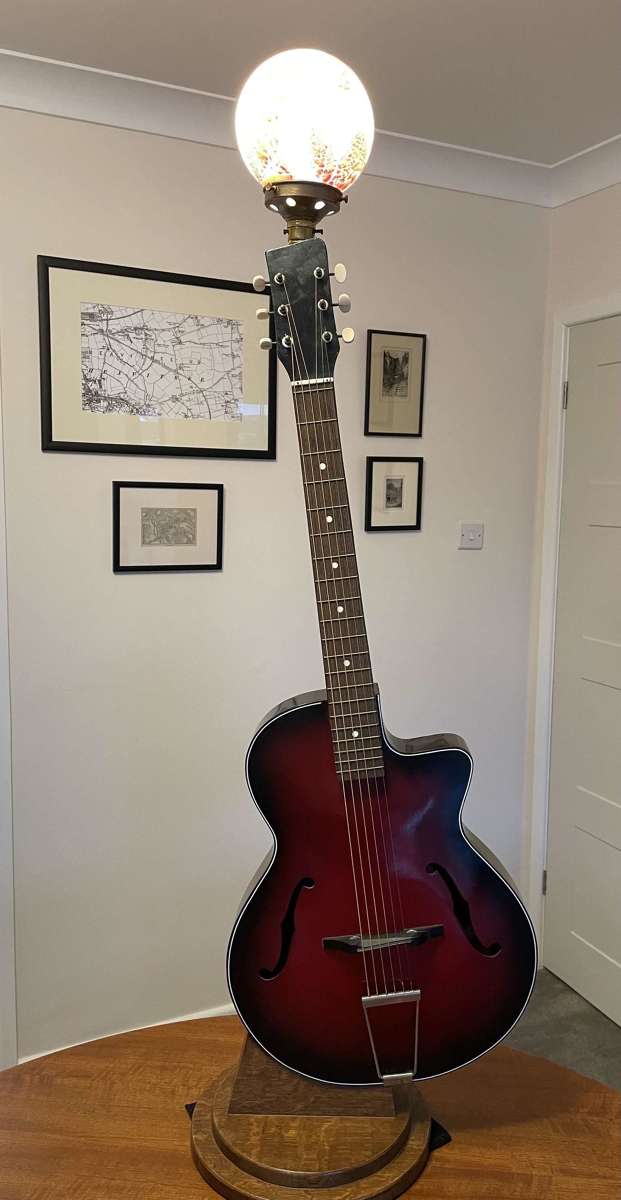
The instrument exemption matters more than you might expect. Ivory turns up in piano keys, bow frogs, tuning pegs, flute joints and inlay, so a great many pieces in categories like musical antiques touch these rules. The Act defines a musical instrument as something made primarily to be played, and it includes bows, plectrums and similar things made for playing an instrument.
One point that catches people out
Many buyers know the old antiques rule about 1947 and assume it settles everything. For elephant ivory it no longer does. The Ivory Act sits on top of the older wildlife trade rules, so a pre 1947 worked ivory object still needs a registration or a certificate before it can be sold in the UK.
That 1947 rule does still matter, though, for the other materials.
Tortoiseshell and the 1947 test
What the trade calls tortoiseshell almost always came from marine turtles, and those species are protected under CITES. Britain's version of the rules normally requires a commercial use certificate, widely known as an Article 10 certificate, before a protected specimen can be sold.
The important relief here is the worked specimen exemption, sometimes called the antiques derogation. According to the current gov.uk guidance, an item is a worked specimen if it meets all of the following. It has been significantly altered from its natural raw state. It was worked before 3 March 1947. It has not been reworked to change its purpose since that date. And it is clearly identifiable as jewellery, an adornment, art, a utility item or a musical instrument.
Worked specimens meeting those tests do not need an Article 10 certificate for commercial use. Fail any of them and you are back to needing one. The reworking point is the trap. If someone has turned an old panel or a shell into something else after 1947, the exemption falls away, and gov.uk gives the example of Brazilian rosewood floorboards reworked into guitars.
Evidence of age therefore does real work. Dated hallmarks, a maker's stamp, an old catalogue entry, insurance or shipping paperwork and family provenance all help.

Tortoiseshell turns up most often in caddies, card cases and dressing case fittings, so read the material notes closely when you browse our antique tea caddies. Much of what looks like tortoiseshell in later pieces is actually stained horn or an early plastic, neither of which is regulated, and a good dealer will tell you which you are looking at.
Rosewood, the one that surprises everyone
Rosewood catches people out because it is a timber rather than an animal product, and because the rules have moved twice.
Brazilian rosewood, Dalbergia nigra, is the strictly controlled one. It has been on CITES Appendix I since 1992 and the controls extend to finished products made from it.
Every other rosewood in the Dalbergia genus was added to Appendix II from January 2017, which caused chaos for anyone shipping furniture or guitars. The annotation governing those species has since been relaxed. Finished musical instruments, instrument parts and accessories are now outside the permit requirements, and so are finished products up to a weight limit of the listed wood, assessed per item rather than across a whole shipment. Raw material such as logs, sawn wood and veneer sheets is still controlled.
For most buyers of ordinary rosewood furniture that means the paperwork burden has eased considerably, particularly for sales within the UK. Long distance shipping is where it still needs thought, so read on.
What to ask a dealer before you buy
These few questions will resolve almost any uncertainty.
- What exactly is the material? Ivory, bone, horn, antler and early plastics look similar and are treated very differently
- If there is ivory, is the item registered, and what is the reference? Or does it hold an exemption certificate?
- Which exemption does it fall under, and roughly what proportion of the item is ivory?
- For tortoiseshell or other protected materials, what is the evidence of date, and has anything been reworked since 1947?
- If it is rosewood, is it Brazilian rosewood or another species?
- Is it going overseas, and if so who is arranging the permits?
Small personal items are where these materials cluster most densely. Letter openers, seals, page turners and blotter handles among our antique desk accessories were routinely made from ivory, horn and tortoiseshell, and the same is true across antique jewellery, where mourning pieces, combs and hair ornaments often used shell. Cane handles and collars are another common home for all three. If you are learning to tell one material from another, our guide on how to identify antique jewellery is a good place to start.

Before you send anything abroad
This is the step that goes wrong most often, because an exemption that lets you sell an item at home does not automatically let you move it across a border.
International movement of CITES listed material generally needs permits from the Animal and Plant Health Agency, and the paperwork works in both directions, so both the sending and receiving countries matter. Permits cannot be granted retrospectively, which means applying after the item has travelled is not an option. APHA advises allowing a good few weeks for an application to be processed, so build that into your timetable rather than your final week.
Destination rules vary as well, and some countries are stricter than Britain. If you are buying from abroad, or selling to an overseas buyer, agree in writing who is responsible for the permits before money changes hands.
Owning is not the same as dealing
Worth saying plainly, because it worries people unnecessarily. The Ivory Act restricts dealing. It does not stop you owning what you already own, inheriting a piece, giving it as a gift, donating it or leaving it in a will, provided no payment, exchange or barter is involved. An item that cannot legally be sold can still be kept and enjoyed.
It is also worth remembering why these rules exist. Buying old things rather than new ones is one of the more sustainable ways to furnish a home, something we wrote about in our piece on ethical consumerism, and rules that protect living species sit comfortably alongside that.
Buy with confidence
Do not let any of this put you off a beautiful object. The vast majority of antiques are untouched by these rules, and where they do apply, a professional dealer will already have done the work and will hand over the reference or the certificate without being chased.
Ask the questions, keep the paperwork with the item, and pass it on when you sell. Browse our dealers' listings and read the descriptions properly, and you will find that the good ones tell you what you need to know before you even have to ask.


