


A Beginner's Guide to Architectural Salvage and Reclamation
|
Wednesday 26th August 2026 at 08:26 By Olivia |
 |
There is a particular satisfaction in giving an old building's bones a second life. A cast iron fireplace that once warmed a Victorian parlour, a panelled door rescued before the bulldozers arrived, a panel of stained glass that coloured the light in a chapel. Architectural salvage is the art of finding these pieces and bringing them home, and it has quietly become one of the most rewarding corners of the antiques trade.
If you are new to it, the choice can feel a little overwhelming. This guide walks you through what salvage actually is, why so many people swear by it, what you are likely to come across, and how to buy with confidence.
So what is architectural salvage?
Architectural salvage simply means original features and materials saved from old buildings, then sold on for reuse rather than sent to landfill. When a period house, church, pub or factory is renovated or pulled down, the parts worth keeping are carefully removed. Fireplaces, doors, windows, radiators, flooring, railings and decorative stonework all find their way to reclamation yards and online marketplaces.
It helps to know the difference between reclaimed and reproduction. Reclaimed means the genuine article, taken from a real building and carrying the marks of its history. Reproduction means a new piece made to look old. Both have their place, but salvage hunters are usually after the real thing, with all its character intact. You will find a wide spread of genuine pieces in our reclamation and salvage category, and within it a section dedicated to larger reclaimed architectural features such as carved wood, columns and staircase parts.

Why salvage is worth your time
The first reason is character. Old materials carry a depth and patina that new ones rarely manage. Timber that has aged for a century, iron cast in a Victorian foundry, glass with the gentle ripple of early manufacture: these things bring a room to life in a way a flat pack alternative cannot.
The second is sustainability. Reusing what already exists saves it from the skip and avoids the energy cost of making something new. For many buyers that is reason enough on its own.
The third is quality. A great deal of older joinery and metalwork was built to last, often from materials that would be very expensive to source today.
The fourth is individuality. A salvaged piece is rarely something your neighbour will also have, which is a large part of the appeal.
What you are likely to find
Salvage covers an enormous range, but a few types turn up again and again.
Fireplaces
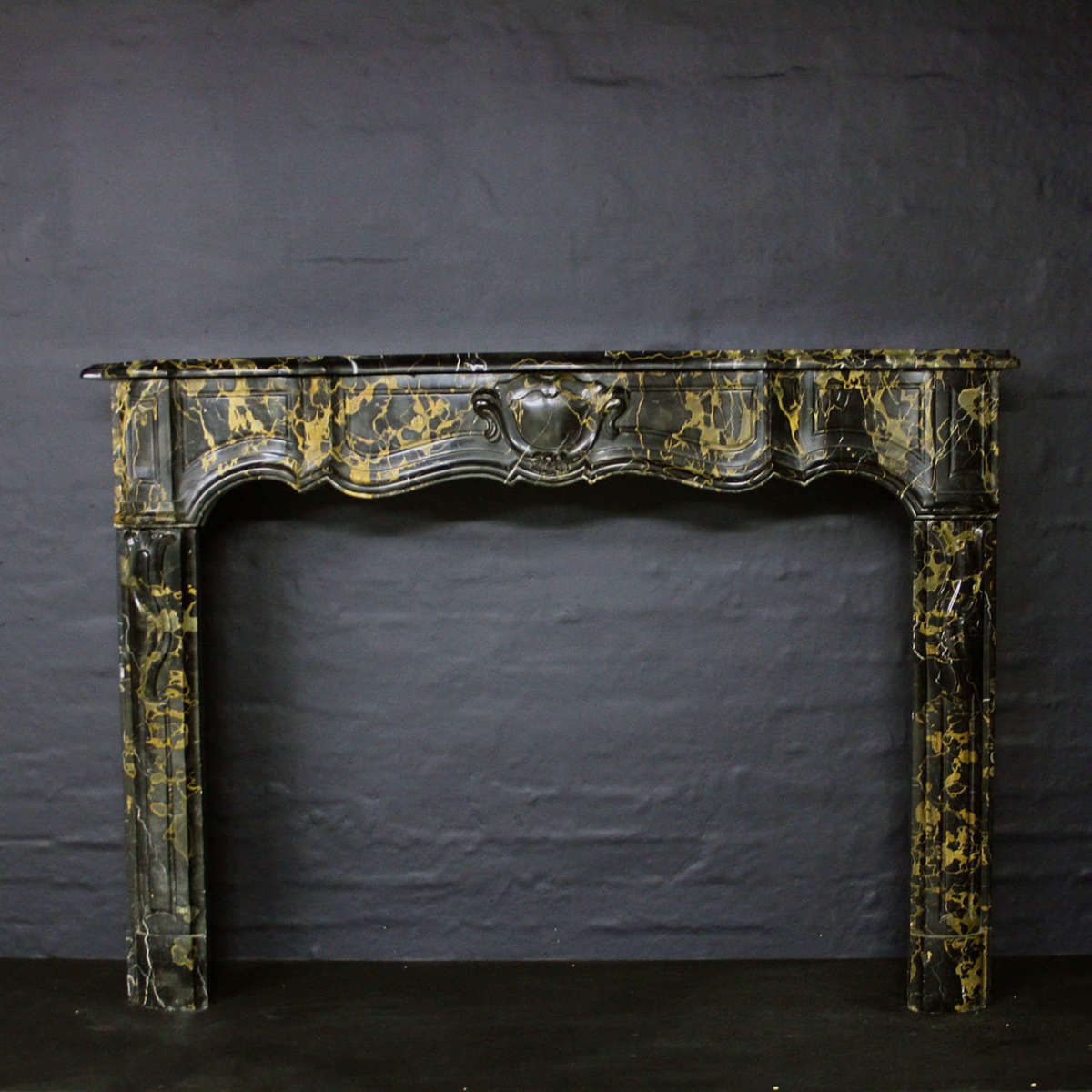
Fireplaces are among the most sought after salvage of all. You will see cast iron inserts and combination grates, marble and stone surrounds, timber mantels, fenders, fire baskets and all manner of fireside tools. Prices vary widely, from a couple of hundred pounds for a simple cast iron insert to well over a thousand for a grand carved marble surround. Browse our reclaimed fireplaces and accessories to get a feel for what is out there.
Doors
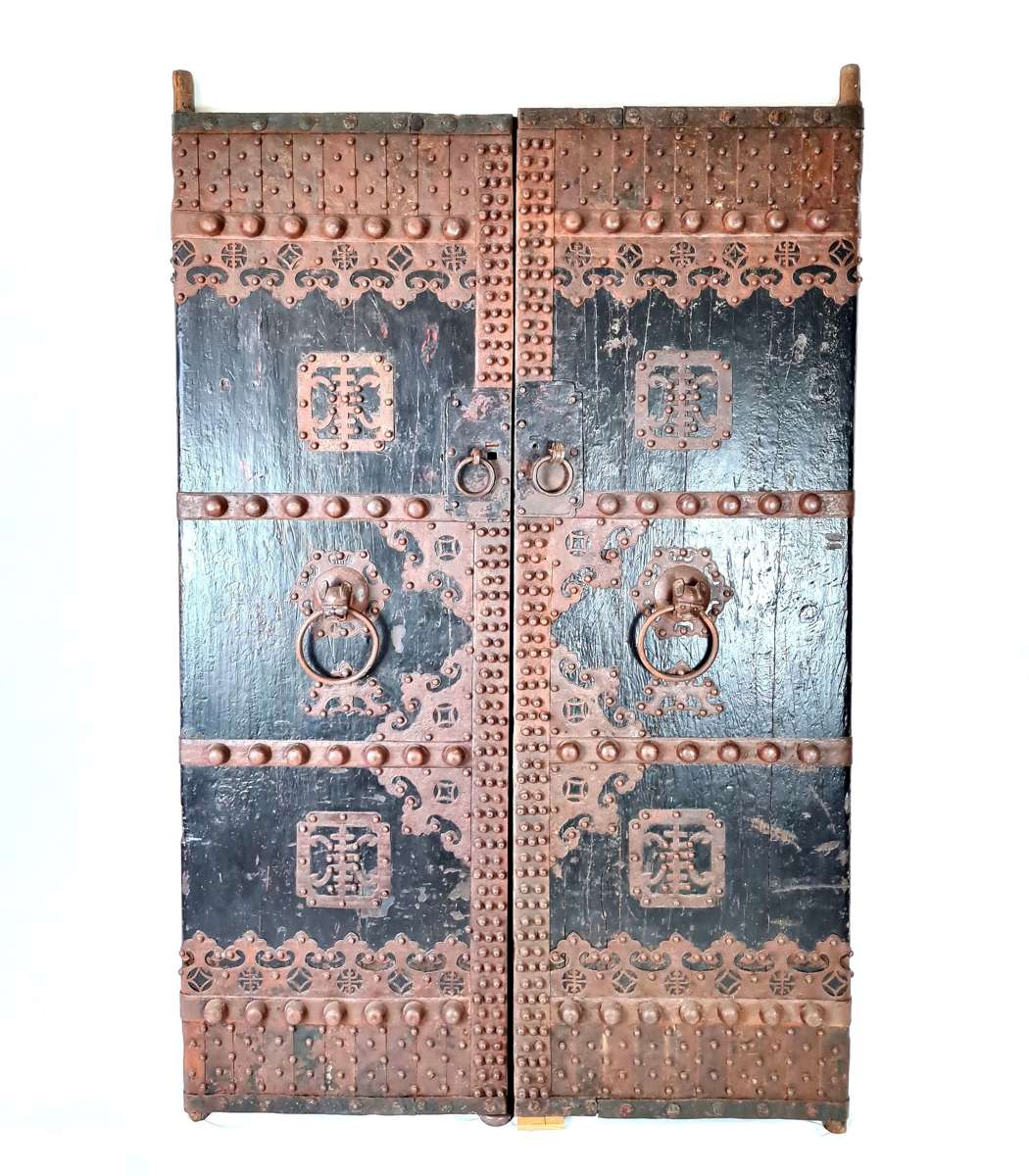
A reclaimed door can transform a hallway. Victorian panelled doors, pine doors stripped back to the bare timber, French oak shutters and heavy front doors all come up regularly. The thing to remember is that old door openings were rarely a standard size, so measuring carefully matters more here than almost anywhere else. Our reclaimed doors category is a good place to start looking.
The smaller details
It is often the finishing touches that make a period room feel complete. Original ironmongery such as door handles, hinges, locks and finger plates can replace tired modern fittings in an afternoon. Reclaimed radiators, encaustic and geometric tiles, and salvaged bathroom fittings all add authenticity too. And few things bring as much pleasure as a panel of antique stained glass, set into a door, fitted to a window, or simply hung where the light can reach it. Take a look at our reclaimed stained glass for some lovely examples.

How to buy well
The golden rule is to measure everything, then measure again. Salvaged pieces were made for a specific building, so a fireplace opening, a door frame or a window reveal needs to match what you already have. Take the height, width and depth before you fall in love with anything.
Check the condition. Look for cracks in cast iron, woodworm or rot in timber, missing sections and signs of heavy past repair. A little wear is part of the charm, but structural damage can be costly to put right. If a piece needs restoration, work that into your budget before you commit.
Think about safety as well. An old fireplace being brought back into use will need its chimney and flue checked by a professional. Salvaged lighting usually needs rewiring before it is safe to connect. Very old painted surfaces can contain lead, so treat any stripping or sanding with care. None of this should put you off, but it is sensible to plan for it.
If you are unsure how to weigh up a piece, our guide on how to tell if an antique is valuable covers the main things collectors look at, from condition and age to rarity and provenance.
Matching pieces to the age of your home
Salvage looks its best when it suits the period of the building it is going into. A heavy Georgian surround can overwhelm a small modern room, while a delicate Edwardian fireplace might look lost in a grand hall. Getting to know the broad styles, from Georgian and Victorian through to Art Nouveau and Art Deco, makes choosing far easier. Our guide to the most popular styles of antique furniture is a helpful primer on the periods and how to recognise them, and the same eras apply to salvage.
That said, there are no hard rules. Plenty of the most striking interiors pair a single salvaged statement piece with otherwise modern surroundings. Trust your eye.
Buying salvage online
Reclamation yards are wonderful to wander around, but a great deal of salvage now changes hands online, which gives you access to dealers right across the country. When buying remotely, ask for extra photographs, request exact measurements, and check what is included, since fireplace tiles and grates are sometimes priced separately. Ask about delivery too, because many salvage items are heavy and need specialist handling.
For more on shopping with confidence, our piece on finding your perfect antique online has plenty of practical advice.
Ready to start your search?
Architectural salvage rewards patience and a good eye. The right piece can give a room a sense of age and story that nothing new quite matches, and you have the quiet pleasure of knowing you have saved a little piece of history along the way. When you are ready to begin, our reclamation and salvage collection is full of pieces waiting for their next home. Happy hunting.


